As with any dietary supplement, consult your healthcare provider before use, especially if you are pregnant, nursing, taking medication on a regular basis, or have a medical condition
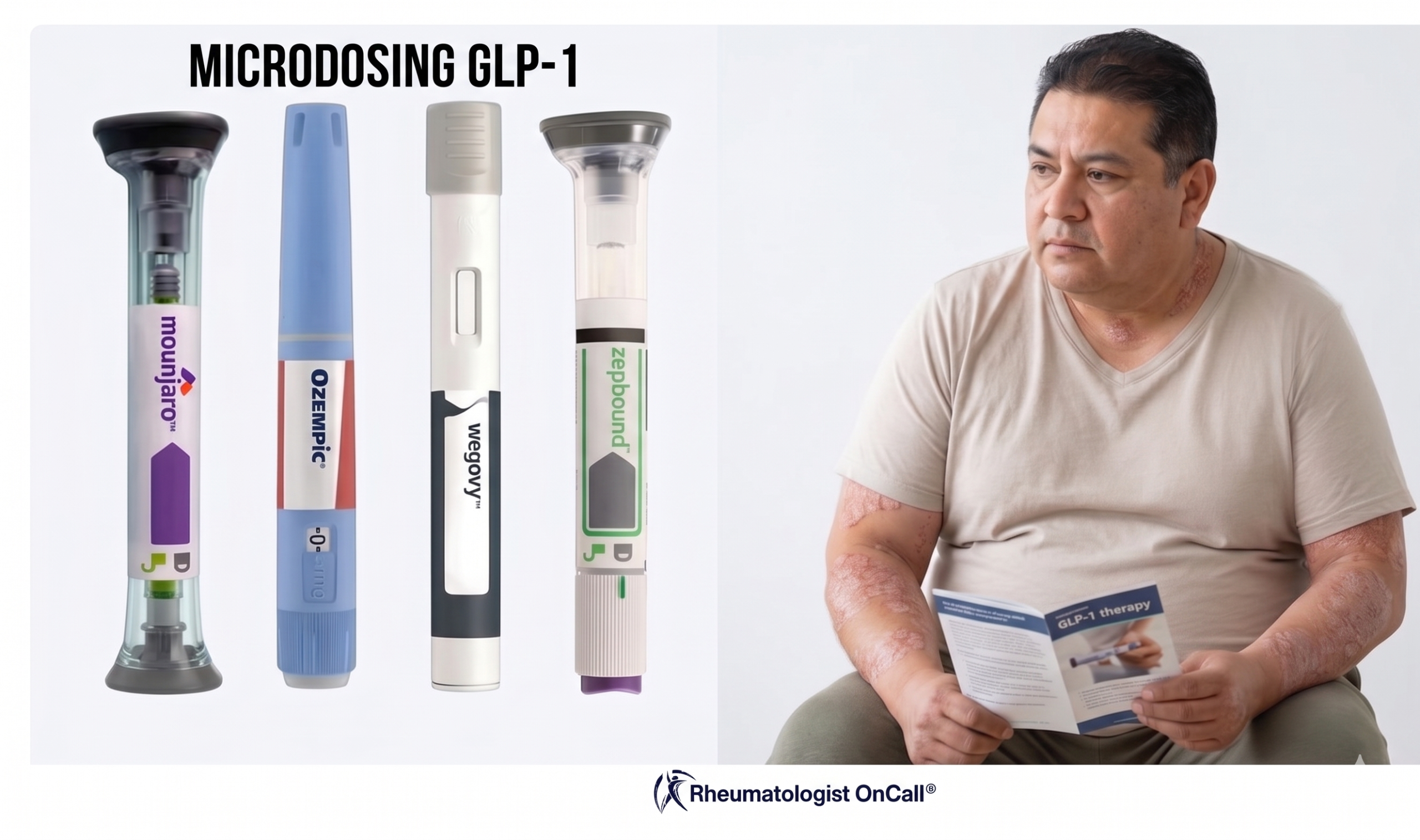
Contact your healthcare provider if you experience: Persistent or severe hunger that doesn't improve after the initial titration period (typically 812 weeks) Unintended weight gain whilst taking Ozempic, particularly if accompanied by increased appetite Symptoms of hypoglycaemia including shakiness, sweating, confusion, or palpitations, especially if occurring frequently Difficulty managing your diabetes with worsening HbA1c levels or consistently elevated blood glucose readings Significant changes in eating patterns or concerns about disordered eating behaviours Seek urgent medical attention if you develop: Severe, persistent abdominal pain (with or without vomiting) which could indicate pancreatitis Symptoms of gallstones such as pain in the upper right abdomen, particularly after eating Persistent vomiting leading to dehydration Signs of allergic reaction such as rash, swelling, or difficulty breathing Your GP may need to review your treatment plan , which could involve adjusting the Ozempic dose, evaluating the timing of administration, or assessing interactions with other medications
Quesada-Ocampo isnt the only Colombian female researcher helping to keep food crops safe: a fascination with microbes led Colombian plant pathologist Carolina Mazo-Molina to gain her PhD from Cornell University in the US and she is now helping in the fight against one of the biggest threats to the worlds tomato crop a microscopic bacterium
These results support our interpretation of a slowing of diffusion coefficient as a result of exendin-4- TMR-C16 interaction with BSA rather than an accumulation of peptide, which would have resulted in an increase in average molecular brightness