These approaches enable precise delivery of nucleic acid cargo (siRNA, miRNA, plasmids encoding non-coding RNAs, etc.) to injured renal tissue, allowing modulation of transcriptional networks, silencing of pathogenic genes, and reprogramming of cellular metabolism and inflammatory responses.Platelet membranemimicking nanoparticles (PMVs@PLGA) carrying TGF-1 siRNA utilize the natural homing ability of platelet membranes to damaged vasculature, selectively silencing the TGF-1/Smad3 pathway, reducing collagen deposition and inflammatory cytokine release in UUO and IRI models, and avoiding systemic off-target effects [98]
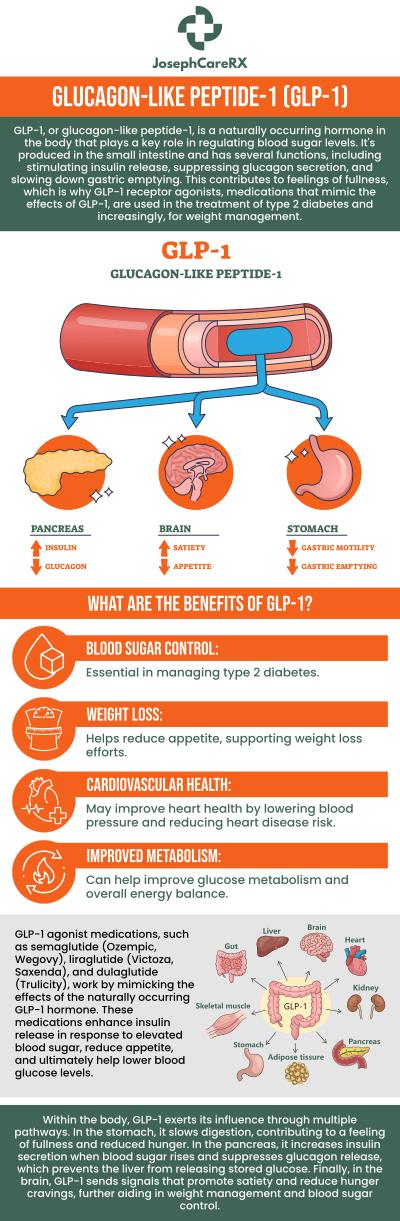
Drug delivery systems: transforming GLP-1 analogues (as illustrated in Fig
Karlsson, T., Hadizadeh, F., Rask-Andersen, M., Johansson, & Ek, W
They also have macrophagic activity, which may be relevant beyond diabetes, and they may be effective in some autoimmune or rheumatologic research. Meanwhile, sodium-glucose cotransporter-2 (SGLT2) inhibitors also have shown renal and cardiac benefits, according to Grzybowski