Biological Effects When it comes to understanding the presence of BPC-157 in the body, the key concept is the peptides half-life the time it takes for half of the compound to be eliminated
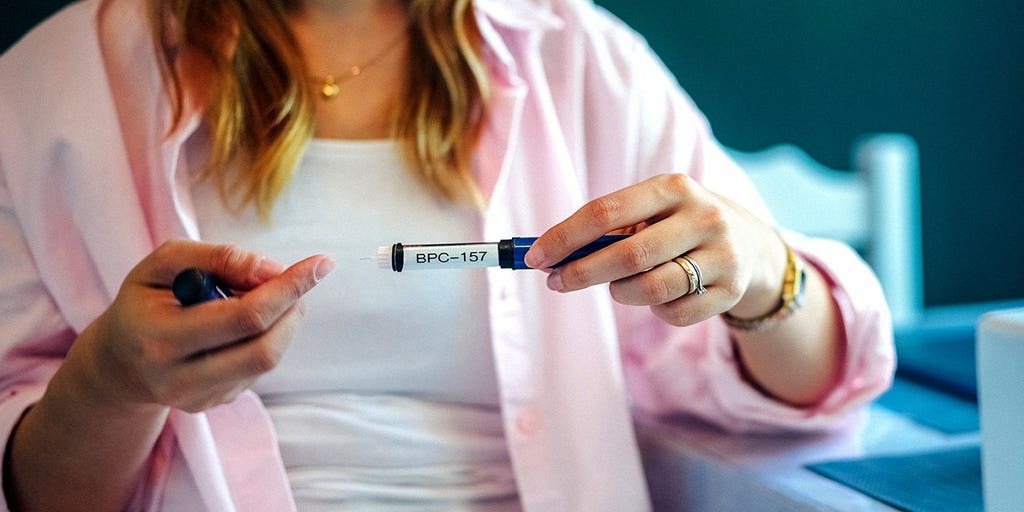
If you're forgetful, or circumstances make it hard for you to stick with it, the injections may be the better way to go
In contrast, the model group shows a significant reduction in neuron density ( p = 0.0001), highlighting the detrimental effects of sleep deprivation on brain health
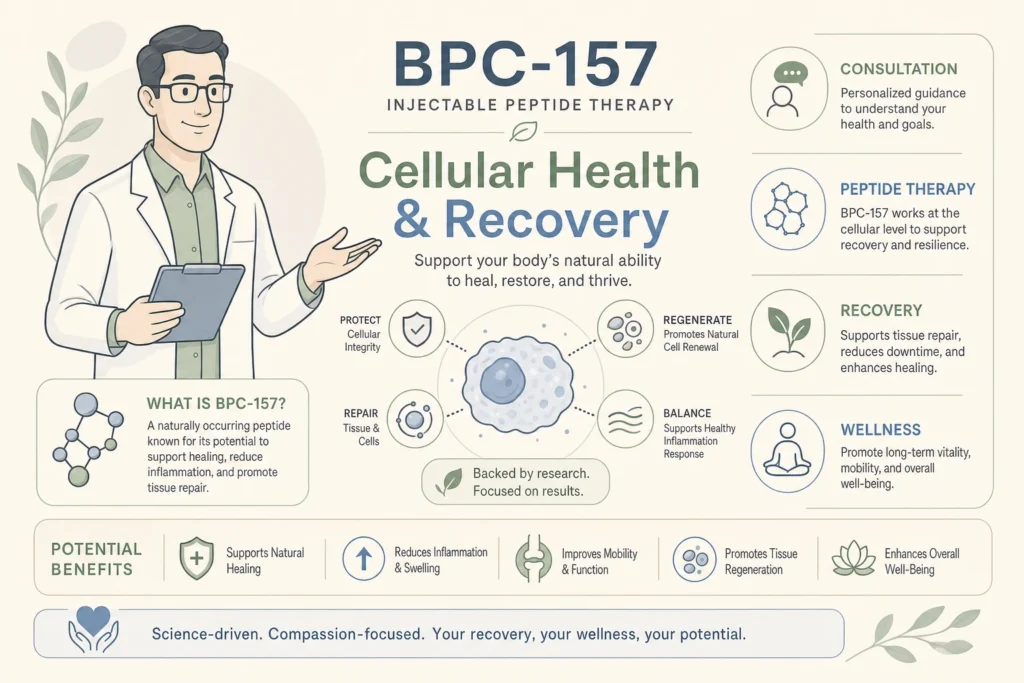
How Its Administered Sublingual (under the tongue): Held for 6090 seconds before swallowing for partial absorption into the bloodstream Oral (swallowed): Acts more locally in the stomach and intestines Dosage: Often ranges between 5001,000 mcg daily, depending on delivery and peptide strength Pros No injections required Easier to dose and travel with Potentially effective for ulcers, leaky gut, IBS, Crohns, and general GI inflammation Sublingual delivery may offer limited systemic absorption Cons Limited evidence supporting systemic efficacy Most research uses injectable models oral data is scarce Variable absorption depending on formulation and digestive environment May require higher or more frequent dosing to compensate for poor uptake Best For Individuals using BPC157 for gut health, intestinal permeability, or digestive inflammation Those who cant or wont inject peptides but still want potential healing benefits Stackers pairing oral BPC157 with systemic peptides (e.g., MK677) or gut support supplements BPC157 Capsules or Pills Capsule-based BPC157 supplements are increasingly marketed as convenient, over-the-counter alternatives to injectable or liquid forms