Several clinical scenarios warrant discussion: You should consider speaking with your GP if: You have type 2 diabetes that is inadequately controlled despite lifestyle modifications and metformin therapy, and your HbA1c remains above target You are struggling with weight management despite optimised thyroid hormone replacement, and you might meet NICE criteria for medical weight management (typically requiring referral to specialist weight management services) You have cardiovascular disease alongside type 2 diabetes, as some GLP-1 agonists (semaglutide, liraglutide, dulaglutide) have demonstrated cardiovascular benefits Your current diabetes medications are causing problematic side effects or hypoglycaemia Before your appointment , it is helpful to: Ensure your thyroid function has been checked recently (within the past 6 months) Compile a list of all current medications, including levothyroxine dose and timing Document your weight history and any previous weight management attempts Note any family history of thyroid cancer or endocrine conditions Prepare questions about potential benefits, risks, and alternatives Your GP will assess your suitability for GLP-1 therapy by reviewing your medical history, current thyroid status, diabetes control (if applicable), and overall health

GLP-1s have moved from social media, family group chats, and dinner-table discussions to clinical conversations to employer benefits meetings, almost overnight
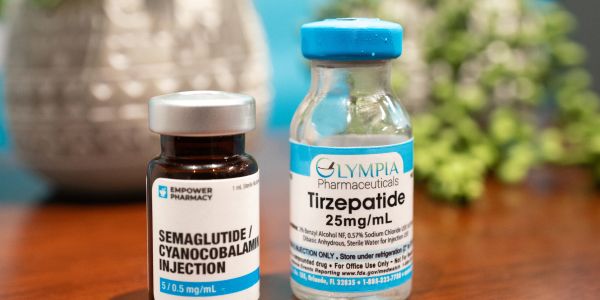
The cost of a new vial is far less than the cost of weeks on a degraded medication that is not delivering results
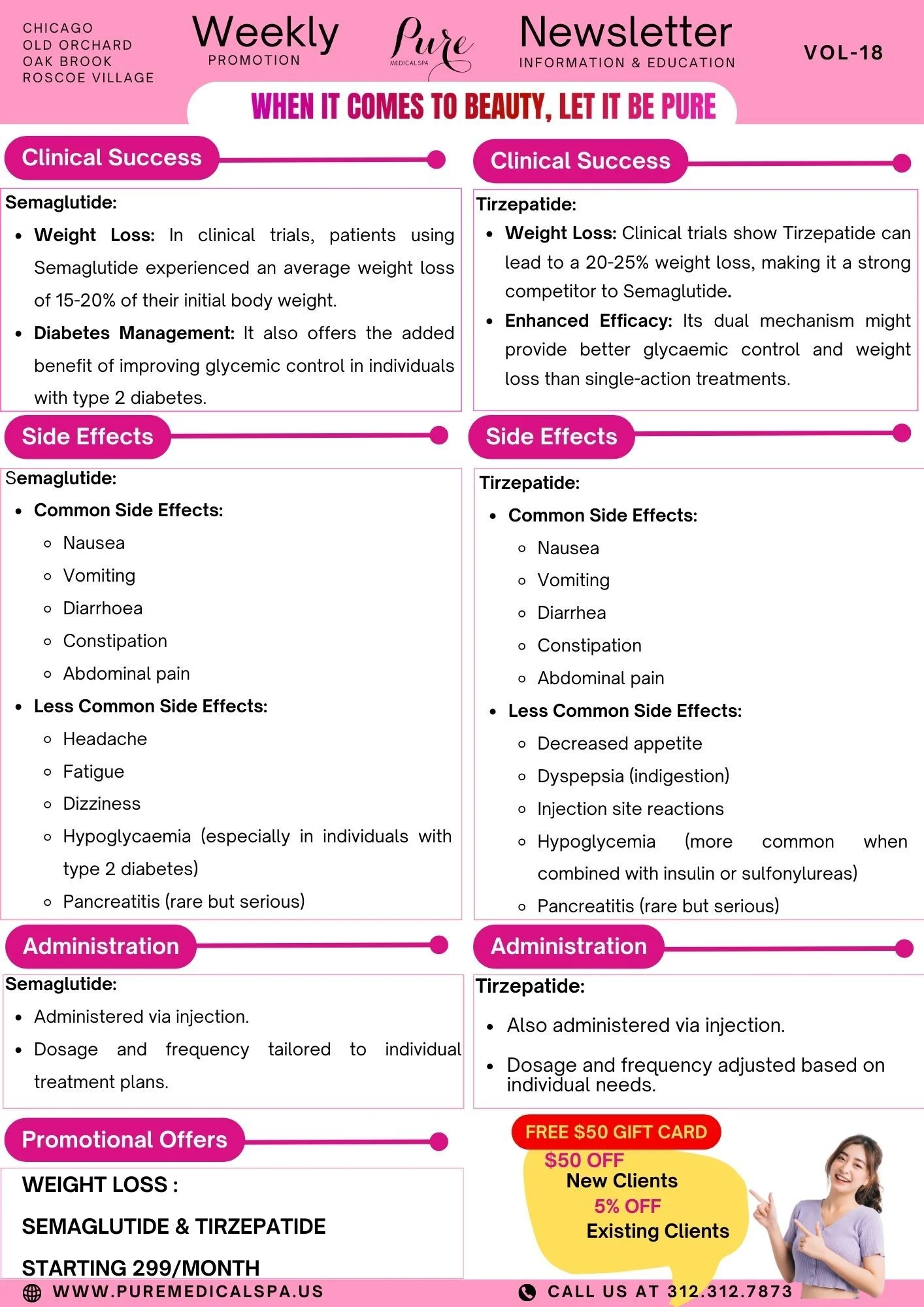
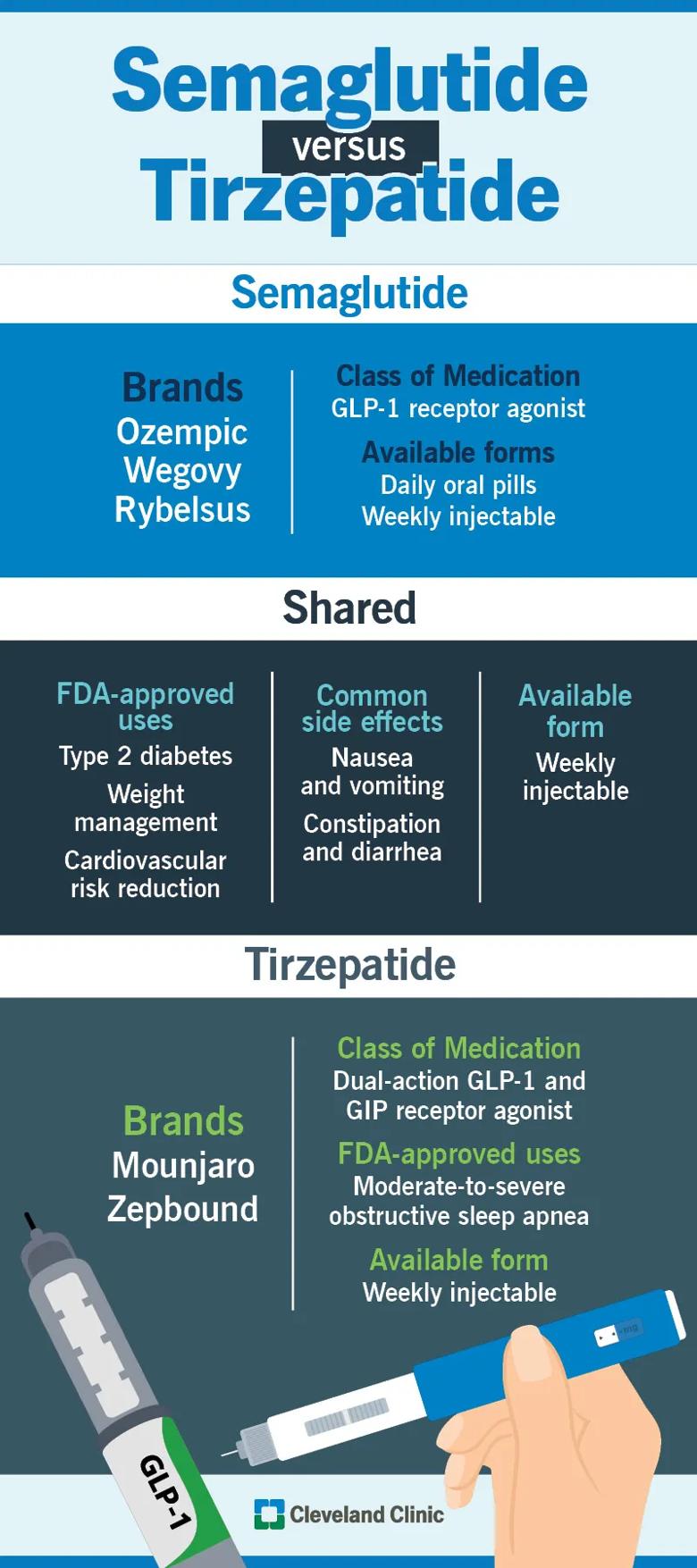
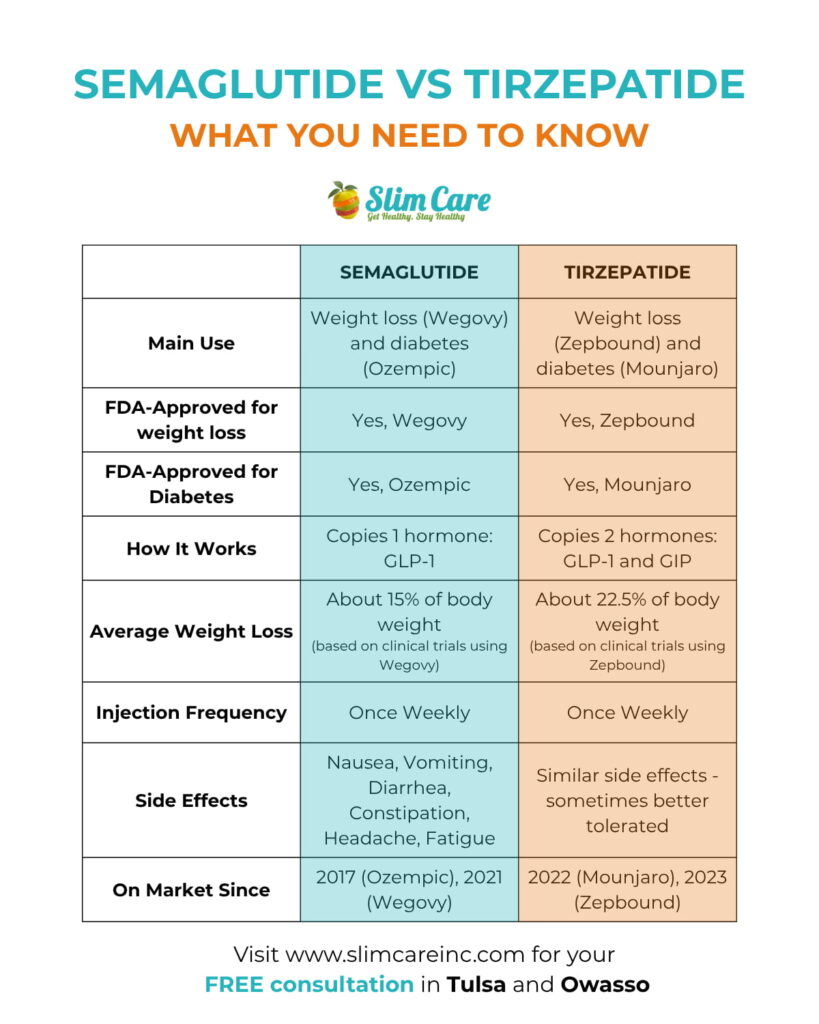
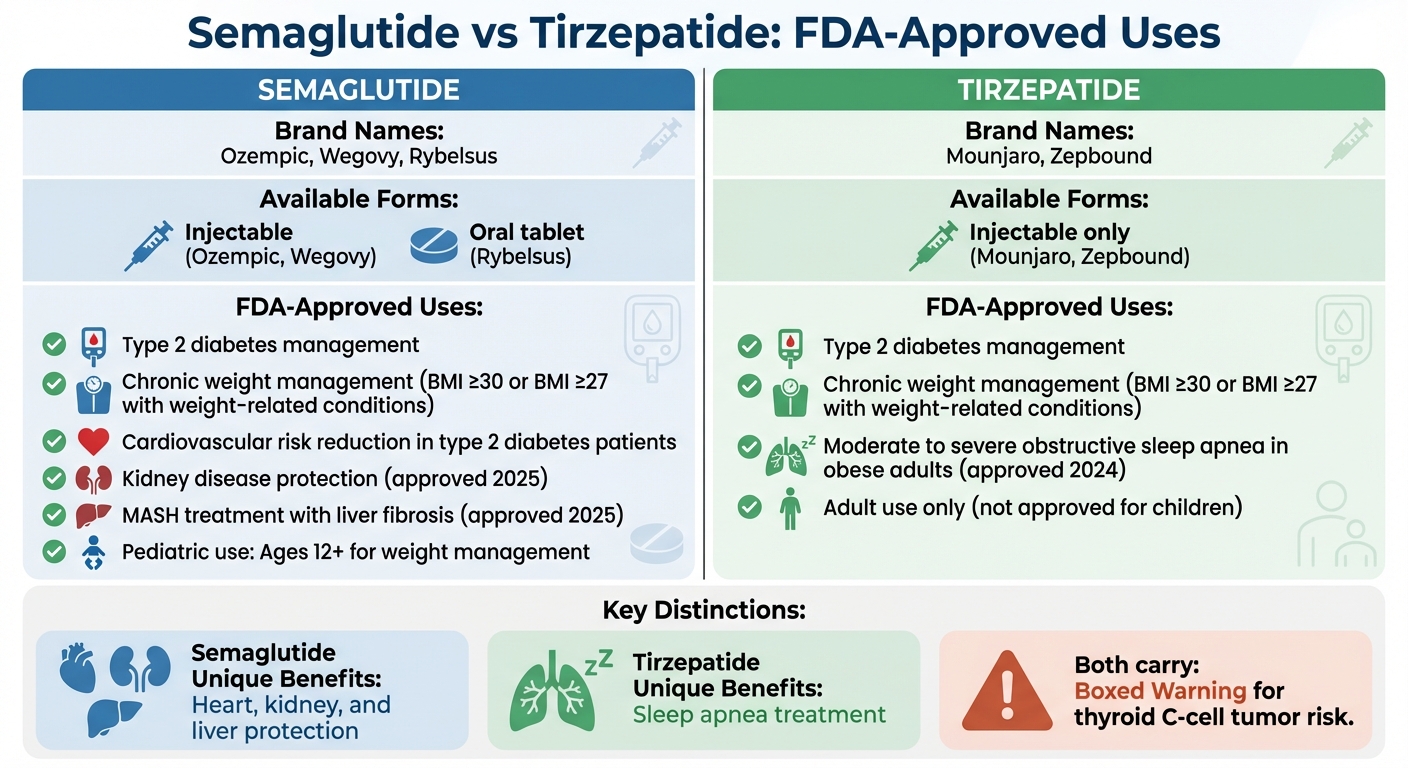
Drugs like semaglutide (brand names Wegovy and Ozempic) and tirzepatide (brand name Zepbound and Mounjaro) have shown remarkable effectiveness in helping people lose weight often 15 percent or more of their body weight










:max_bytes(150000):strip_icc()/VWH-GettyImages-2126120259-c2442d334436484baa255439265b7fb1.jpg)

:max_bytes(150000):strip_icc()/Health-GettyImages-2153927815-0bf99cd73e2c46908d7fc0973739f6d0.jpg)


