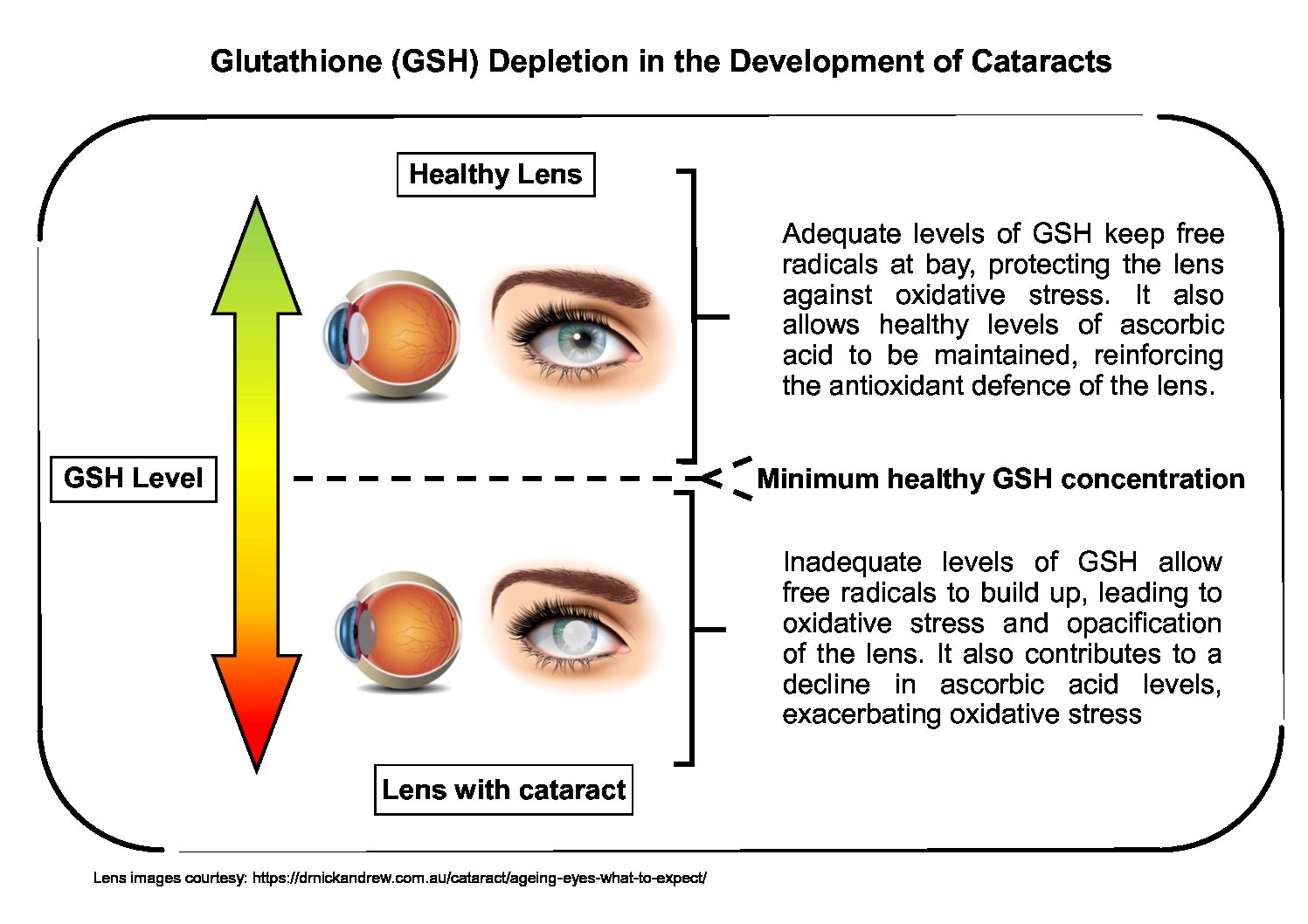
It also reduces neuronal apoptosis by activating Nrf2 signaling and inducing antioxidant enzymes

Cognitive Decline and Neurodegenerative Conditions Cognitive decline and neurodegenerative conditions show substantial preclinical evidence across multiple pathologies: Stroke models: BPC-157 given during reperfusion counteracted neuronal damage and produced full functional recovery in spatial memory, motor coordination, and balance tests Parkinsons models: MPTP-induced models showed reduced motor symptoms (tremor, rigidity, akinesia), protection of nigrostriatal dopaminergic neurons, and near-complete prevention of mortality Multiple sclerosis models: Cuprizone-induced demyelination resulted in significantly less brain damage and reduced clinical abnormalities when BPC-157 was given in drinking water or intragastrically Traumatic brain injury: Falling weight model studies demonstrated reduced hemorrhage, decreased brain lacerations and edema, and improved early outcomes These diverse models share common mechanisms
Probucol trial for secondary prevention of atherosclerotic events in patients with coronary heart disease (PROSPECTIVE)
The position this article takes, given those three valid critiques, is that the mechanism evidence is strong enough, the delivery evidence is biologically plausible enough, and the safety window is wide enough that the recommendation is defensible



.png.jpg)