Researchers commonly study Ipamorelin to explore its potential involvement in: Growth hormone secretion and pituitary signaling pathways IGF-1 production and downstream anabolic signaling Body composition, lean muscle mass, and fat metabolism Recovery, sleep quality, and tissue repair processes Age-related growth hormone decline research Synergistic effects with GHRH analogs (such as CJC-1295 or Sermorelin) Bone density and connective tissue maintenance Pulsatile growth hormone release with a favorable side-effect profile As a highly selective ghrelin receptor agonist, Ipamorelin serves as a valuable research tool for investigating growth hormone physiology, endocrine signaling, and metabolic regulation in controlled laboratory environments
Several studies have optimized urea-containing compounds such as SBI-797812 and 1-(2-phenyl-1,3-benzoxazol-6-yl)-3-(pyridin-4-methyl)urea (DS68702229) as potent NAMPT activators, which have been shown to increase NAD + levels in vitro and in vivo, with potential applications in treating metabolic disorders, cardiovascular diseases, and neurodegeneration preclinically 221,222
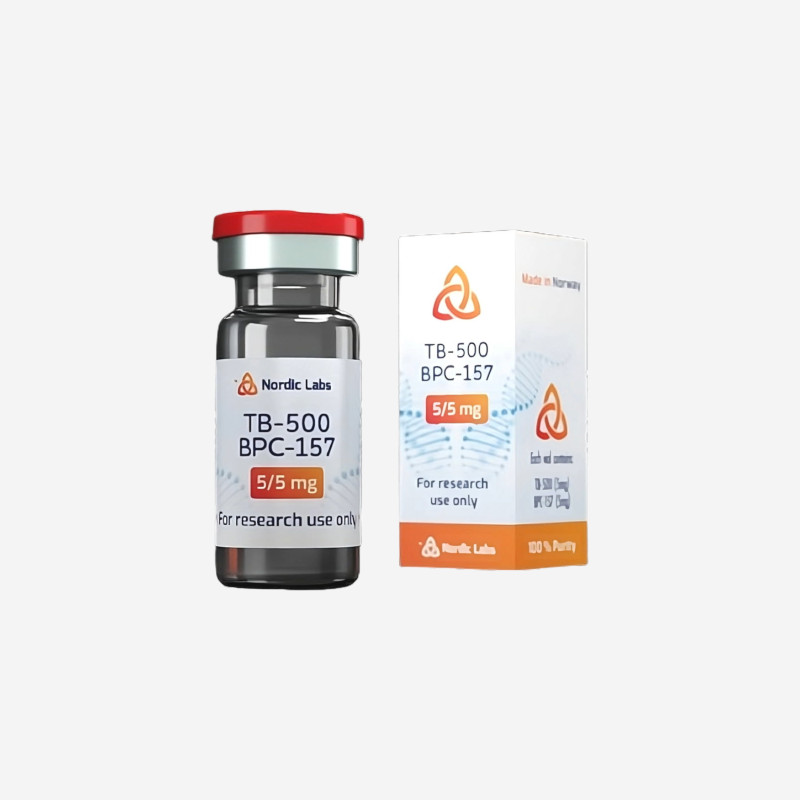
Led by BPC-157 and TB-500 both individually and as the combined Wolverine Stack these compounds have generated more search interest, more published research, and more community discussion than any other peptide category
Clinical Guidance Patients receiving IV glutathione infusions (commonly marketed at doses of 600 mg to 2,000 mg per session in aesthetic clinics) should inform their prescribing dermatologist