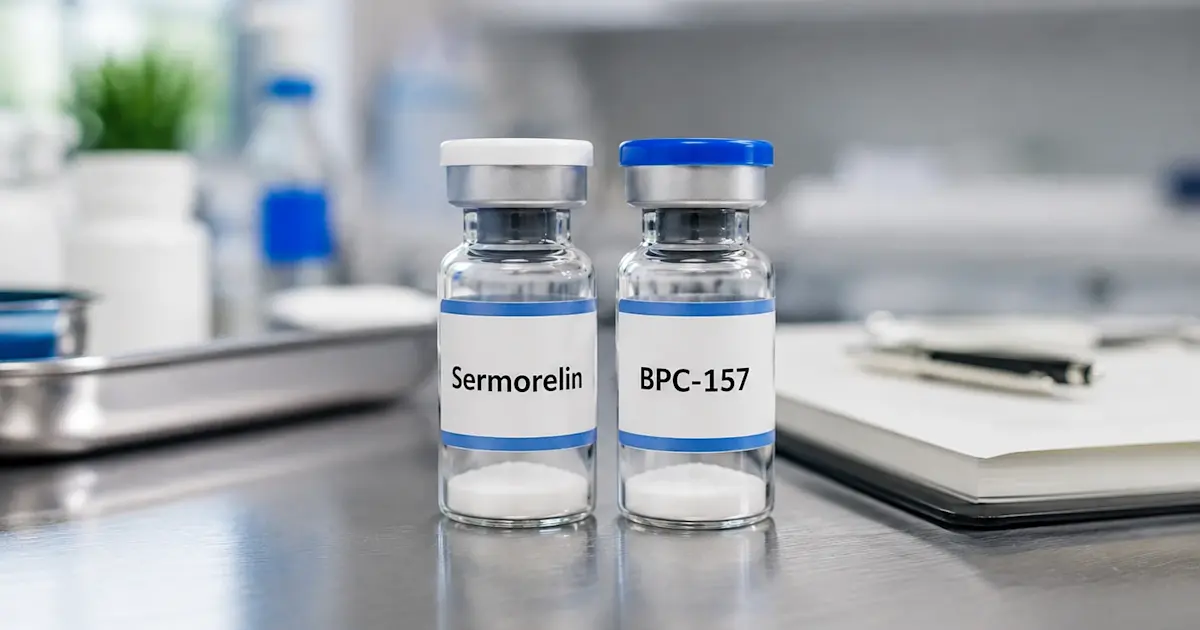
Frequently asked questions Is penta deca peptide arginate the same as BPC-157

How it helps disc herniation specifically: Upregulates tendon-related growth factors BPC-157 activates the Egr-1 transcription factor, which drives collagen synthesis in fibrous tissue including the annulus fibrosus Promotes angiogenesis increases VEGF expression, improving blood supply to the avascular disc environment Neuroprotective effects multiple rodent studies show BPC-157 accelerates peripheral nerve regeneration and protects against nerve compression injury Systemic anti-inflammatory suppresses pro-inflammatory cytokine cascades without the immunosuppressive side effects of steroids Protocol: Dose: 250500mcg/day subcutaneous injection Injection site: Lower abdomen or closest accessible subQ site to the injury (though systemic distribution means proximity matters less than for localized joint issues) Duration: 68 weeks loading phase, reassess at week 8 Most people notice reduced nerve pain and improved mobility within 24 weeks

Causes of Heartburn Several factors can contribute to the development of heartburn, including: Weakened lower esophageal sphincter (LES) muscle Certain foods and beverages (e.g., spicy foods, citrus fruits, chocolate, coffee, alcohol) Overeating or eating close to bedtime Obesity or being overweight Pregnancy Smoking or exposure to secondhand smoke Certain medications (e.g., NSAIDs, antibiotics) Symptoms of Heartburn The most common symptoms of heartburn include: Burning sensation in the chest and throat Discomfort or pain in the upper abdomen Difficulty swallowing Sour or bitter taste in the mouth Chronic cough or hoarseness Diagnosing Heartburn In most cases, heartburn can be diagnosed based on symptoms alone
Unless your care team lead is looking at inflammation related to your period, its generally better to wait until after your menstruation to do a blood test