Evidence-Based Mitigation Strategies: Dietary modifications: Smaller, more frequent meals (5-6 per day instead of 3) Lower fat content (fat delays gastric emptying further) Adequate hydration (1.5-2 liters daily minimum) Avoiding trigger foods identified through symptom tracking Symptomatic management: Ginger supplementation (1-2 grams daily) for nausea Vitamin B6 (25-50 mg daily) may reduce nausea Antiemetic medications if prescribed by healthcare provider Probiotics to support digestive function Timing strategies: Administering injections before bed to sleep through peak nausea Spacing injections from large meals Maintaining consistent weekly injection schedule Monitoring and adjustment: Daily symptom logs to identify patterns Willingness to reduce or pause doses if symptoms become severe Regular communication with supervising healthcare provider Recognizing Serious Adverse Events While most side effects are manageable, certain symptoms require immediate medical attention: Red Flag Symptoms: Severe, persistent vomiting preventing hydration Signs of pancreatitis (severe upper abdominal pain radiating to back) Symptoms of gallbladder disease (right upper abdominal pain, especially after meals) Severe allergic reactions (difficulty breathing, facial swelling) Rapid heart rate or cardiac symptoms Extreme fatigue or altered mental status These concerns apply to monotherapy with either compound but may be amplified in combination scenarios
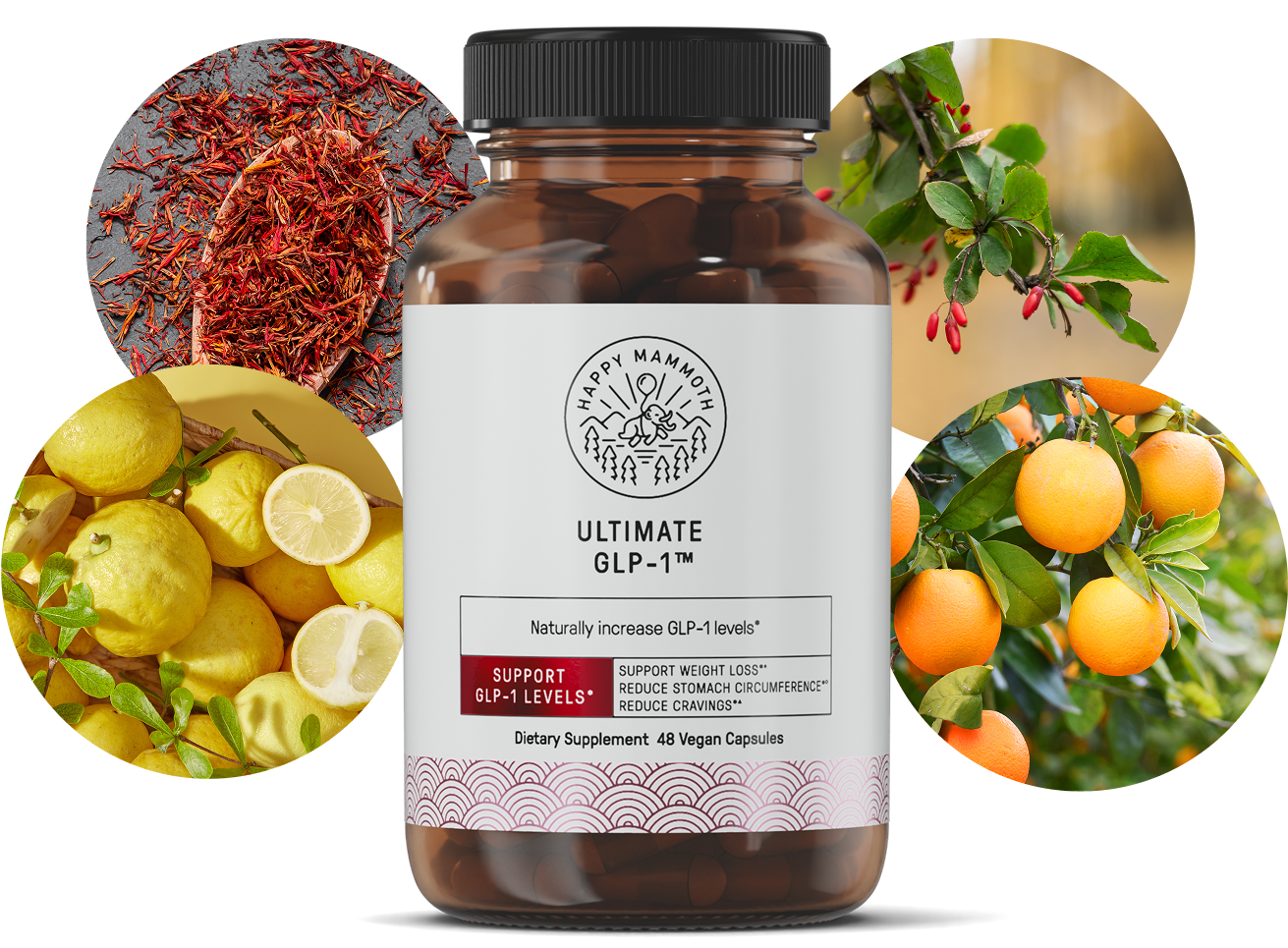
According to Jones and Brierley, GLP-1s also influence the central nervous system, particularly in the regulation of appetite, satiety, and food intake
At its core, Myers Cocktail is an intravenous nutrient therapy designed to deliver essential vitamins and minerals straight into your bloodstream
When injected directly into a muscle, the vitamins are absorbed more readily by the body, boosting the impact