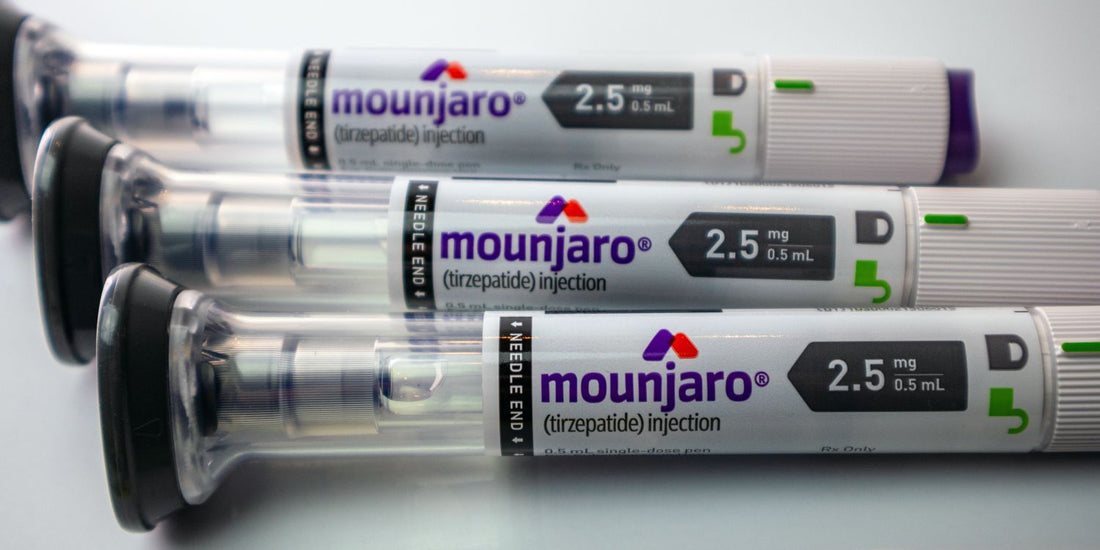
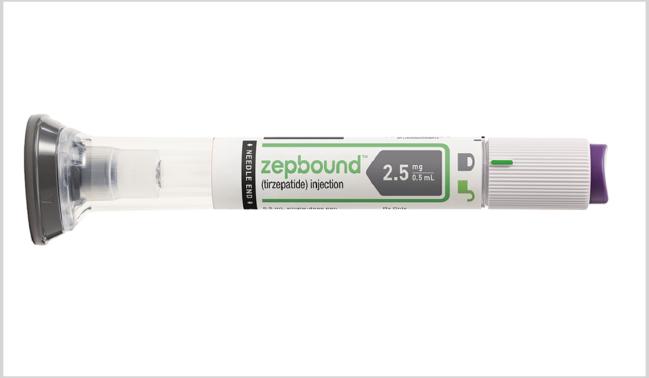
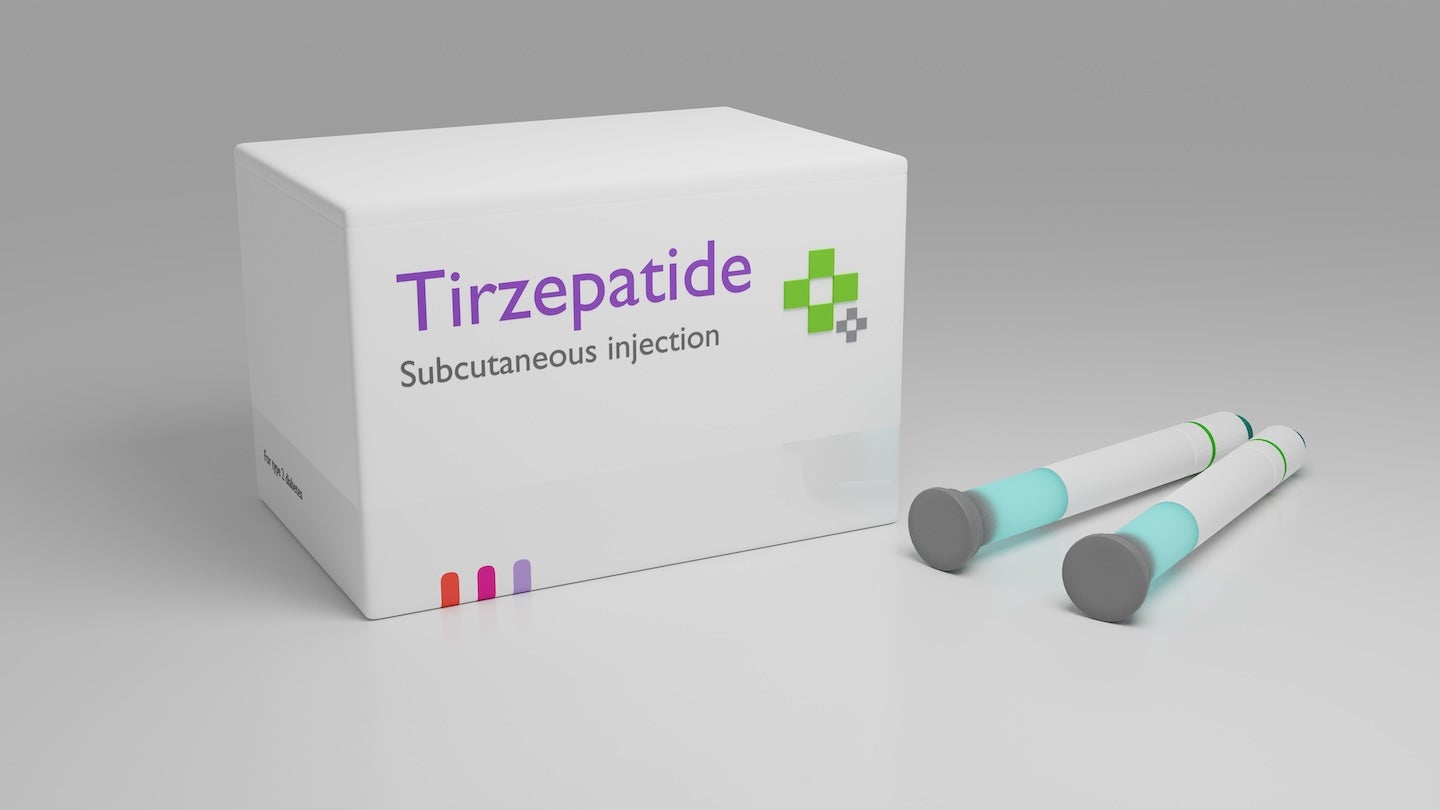
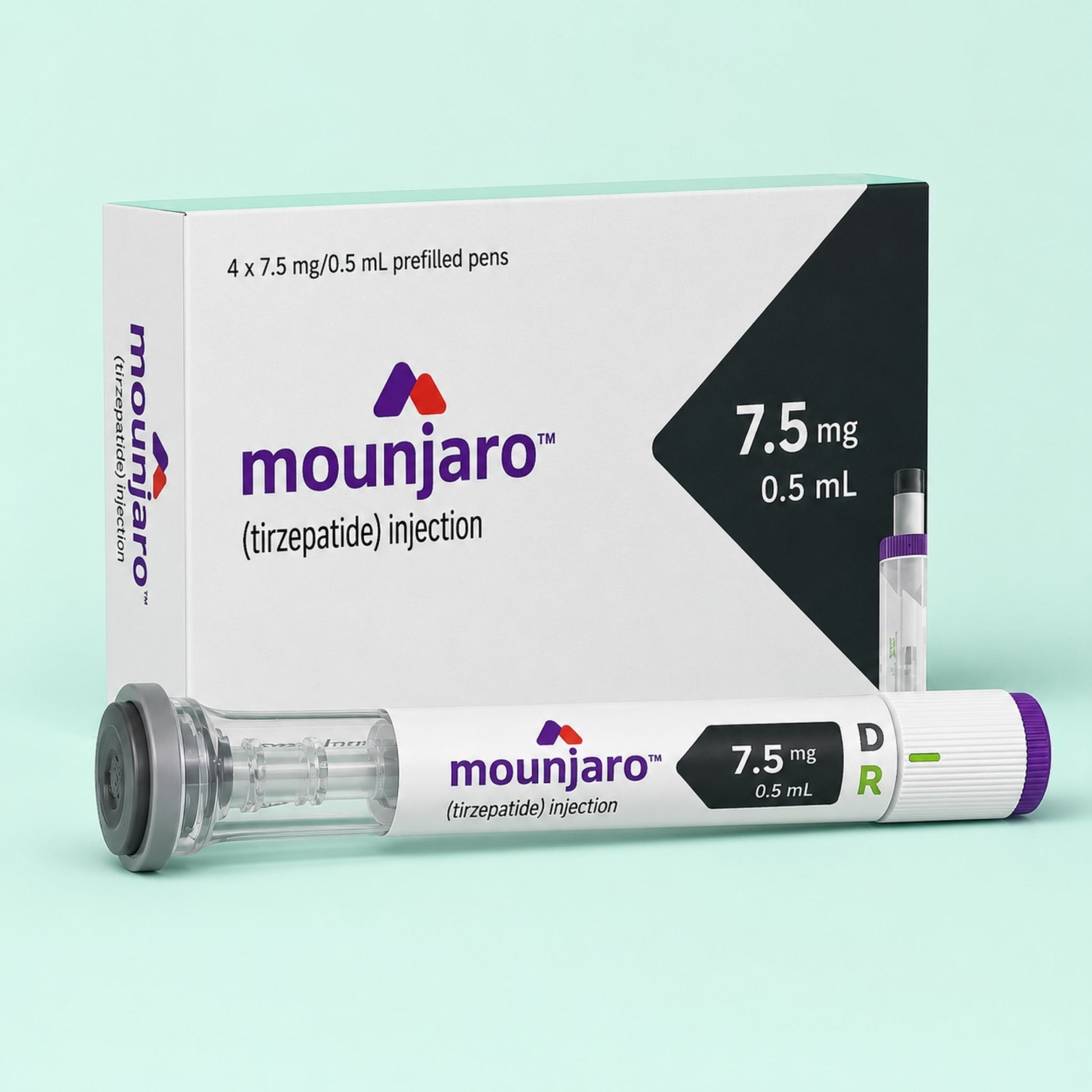
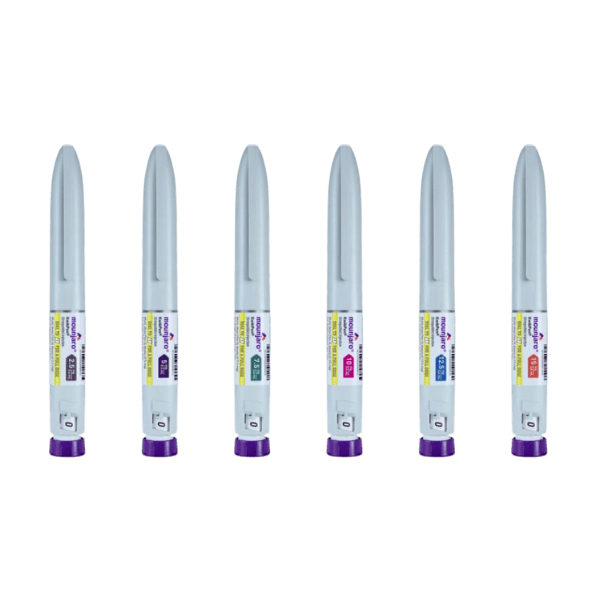
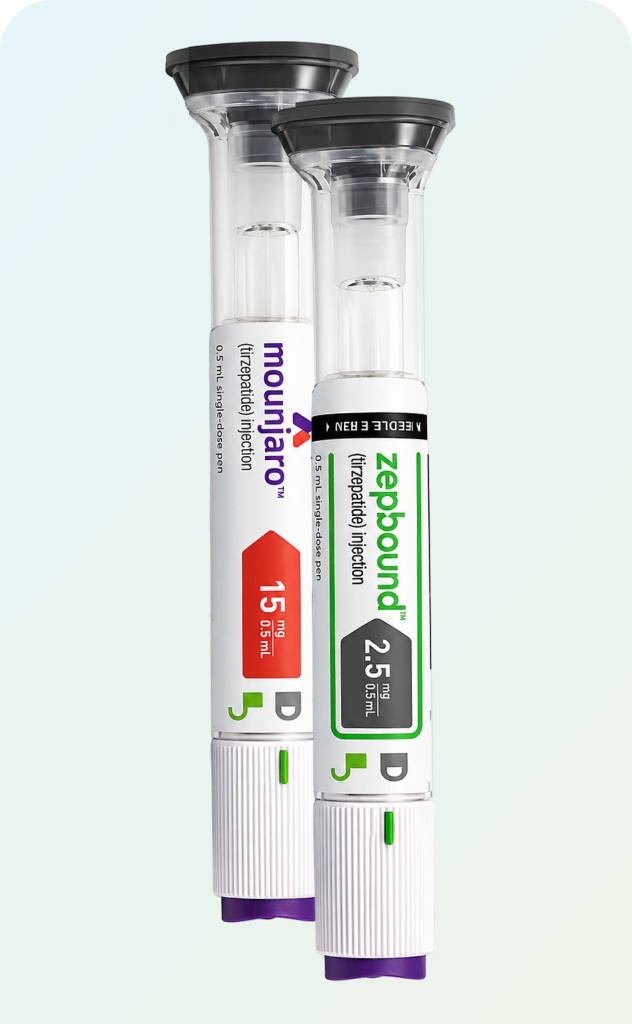
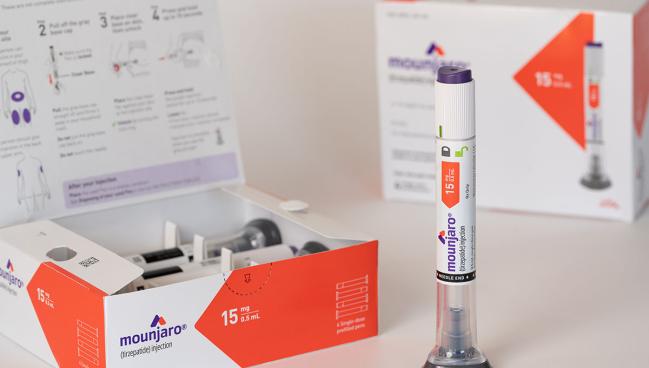
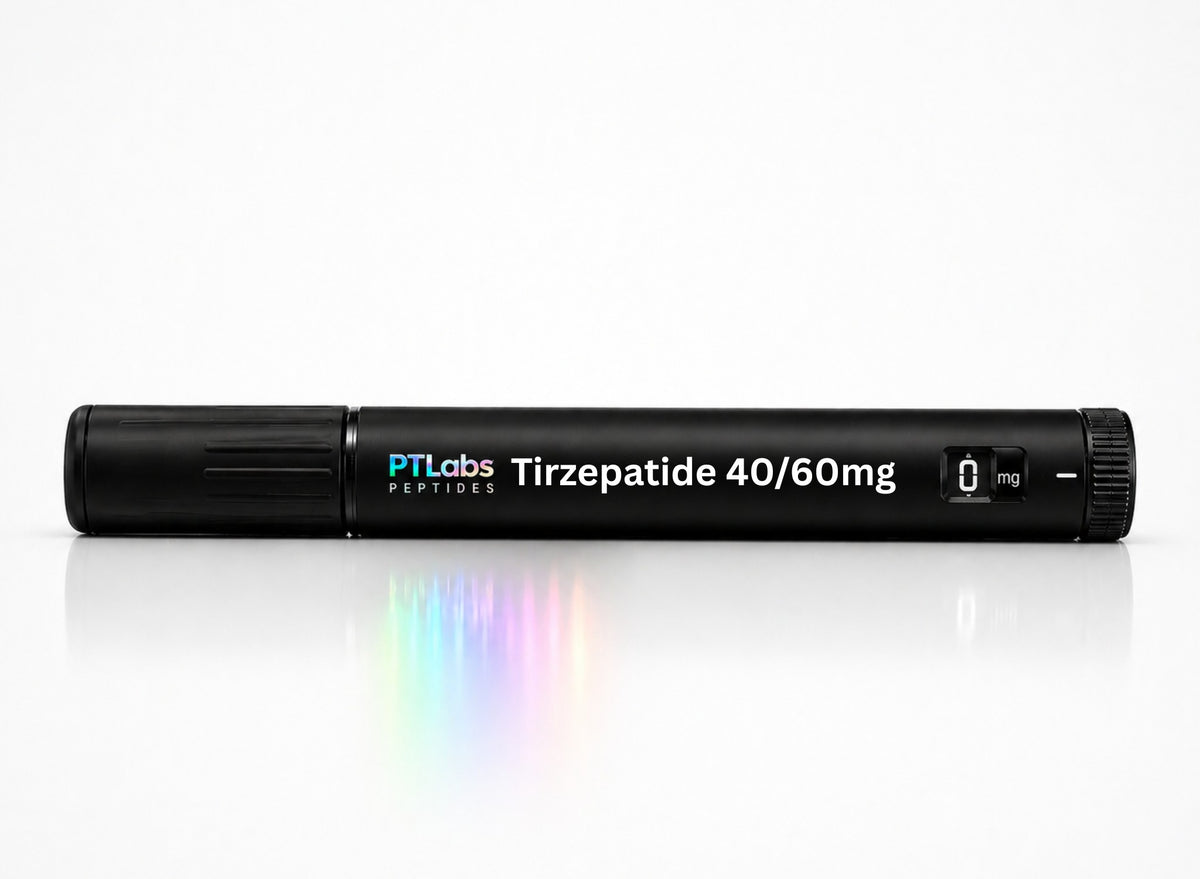
Semaglutide, Dulaglutide, Liraglutide, and Tirzepatide dominate the GLP-1 agonist market
The role of tirzepatide, dual GIP and GLP-1 receptor agonist, in the management of type 2 diabetes: The SURPASS clinical trials
Frameworks To Consider For Long Term Use and Offboarding Several professional bodies have developed frameworks to guide clinicians in supporting patients who want to consider long term use or discontinuing GLP-1s altogether

By donating acetyl groups to NF-B p65/RelA, ALC enhances transcription of the GRM2 gene encoding metabotropic glutamate 2 (mGlu2) receptors.[11][12] This upregulation of mGlu2 receptors at nerve terminals produces analgesia and prevents spinal sensitization, with effects that persist for weeks to months after discontinuationa feature distinguishing ALC from conventional analgesics.[11] In experimental models, ALC blocks wind-up and long-term potentiation in dorsal horn neurons, key processes underlying central sensitization.[11] The analgesic effects of ALC outlast the end of treatment in mouse models of chronic inflammatory and neuropathic pain, with effects persisting 37 days after drug withdrawal compared to 7-15 days for pregabalin or amitriptyline.[11] Clinical evidence in fibromyalgia (a prototypical central sensitization condition) supports this mechanism, with multiple RCTs demonstrating benefit.[11] Combination Strategies for Central Sensitization: ALC 1,500-2,000 mg/day + PEA 1,200 mg/day (demonstrated synergy in fibromyalgia)[3] + Magnesium 400-600 mg/day (complementary glutamate modulation) + Low-dose naltrexone (complementary anti-sensitization mechanisms) 2