By Emily Rodriguez, RDN, CSSD|Source reviewed by FormBlends Editorial Standards Team|| Source Reviewed Written by Emily Rodriguez, RDN, CSSD Checked against primary sources by FormBlends Editorial Standards Team In This Article This article is part of our Peptide Therapy collection
Hyperpigmentation and dark spots are common skin concerns caused by excess melanin

Additionally, this release of inflammatory mediators leads to a decrease in phagocytosis activity and expression of neurotrophic factors ( The nucleotide-binding oligomerization structural domain-like receptor protein 3 (NLRP3) inflammatory pathway plays a crucial role in the initiation and progression of depression ( Pro-inflammatory factors such as interleukin-1 (IL-1), interleukin-6 (IL-6), and tumor necrosis factor-alpha (TNF-) are regarded as depression biomarkers ( The Acanthopanax senticosus polysaccharides (APSP) demonstrated a reduction in the levels of pro-inflammatory factors IL-1, IL-6, and TNF-, while simultaneously increasing the expression of p-PI3K, p-Akt, and p-mTOR proteins induced by chronic mild agnostic stress stimuli in rats ( Ganoderma lucidum polysaccharides (GLP) significantly mitigated the downregulation of pro-inflammatory cytokines in BV-2 microglia induced by LPS or a, while promoting the expression of anti-inflammatory cytokines in both BV-2 and primary microglia ( The expression levels of AMPA receptor GluR1 and p-GluR1 were significantly elevated by sulfated pachymaran (SP), whereas the anti-inflammatory and up-regulatory effects of SP on AMPA receptors were completely inhibited by the AMPA receptor inhibitor GYKI 52466 (Zhou and Li, 2020)
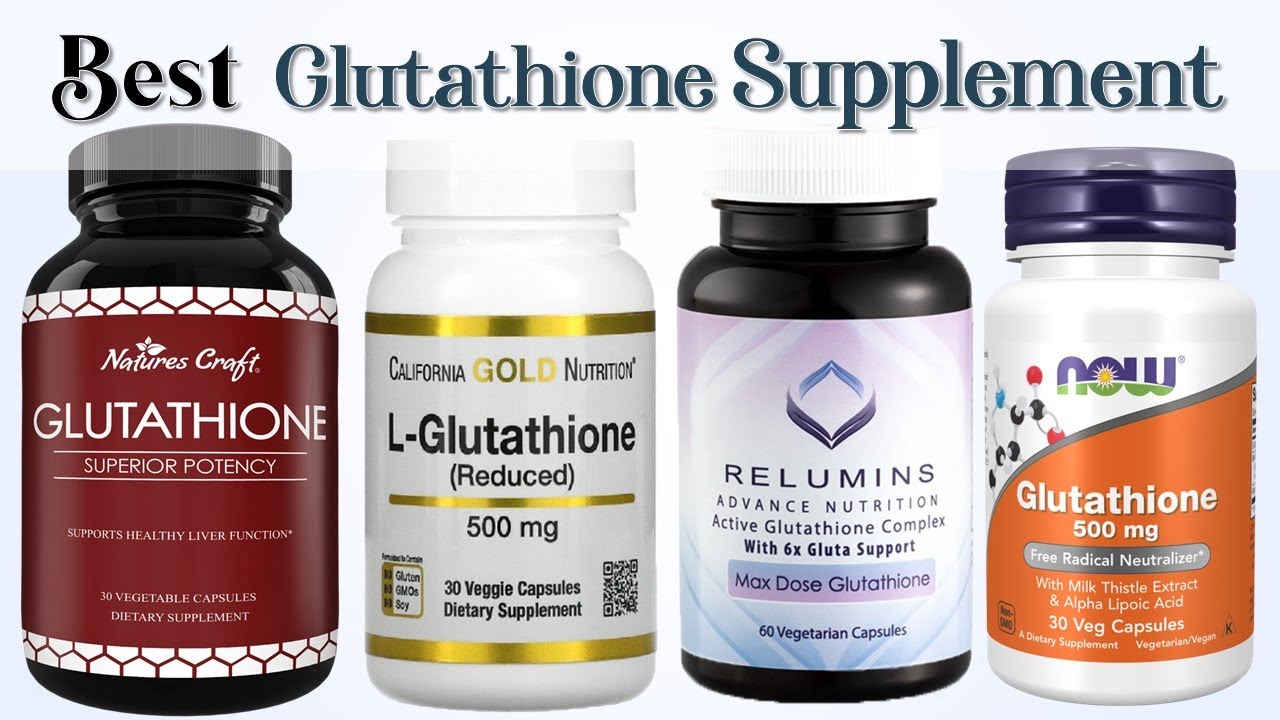
Discussion The idea of GSH-induced hypopigmenta-tion may stem from early studies linking sulfhydral-containing compounds to the inhibition of melanogenesis or from early anecdotal observations in Parkinson's disease



![Rire] Glutathione Liposomal Melatonin Patch (5PAIRS), glutathione purity reaches 98.8%](https://www.shegoestoseoul.com/image/cache/catalog/PRODUCT/2025/rire/glutathione-liposomal-melatonin-patch/rire-glutathione-liposomal-melatonin-patch-m-480x480fill.jpg)