Self-reported questionnaires for anthropometrics, demographics, dietary habits, and GLP-1RA usage were administered
People with type 2 diabetes are inherently at increased risk of UTIs due to elevated blood glucose levels creating a favourable environment for bacterial growth, and diabetes-related complications such as incomplete bladder emptying or reduced immune function
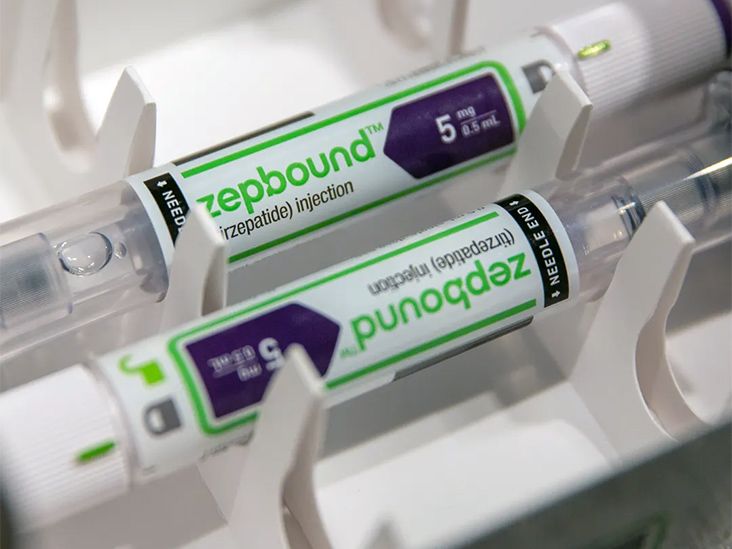
Both are GLP-1 receptor agonists a class of medications that work by mimicking the natural hormones that regulate hunger, digestion, and metabolism and both have demonstrated remarkable results in clinical trials
the most frequent adverse events reported were GI disorders, mainly nausea, vomiting, diarrhea, constipation, dyspepsia, and upper abdominal pain [38]